Single-Layer vs. Double-Layer Aluminum Alloy Air Vents: Veteran Engineers Instantly Know Which to Choose!
After Years in the Trade: The Ins and Outs of Single-Layer vs. Double-Layer Aluminum Alloy Air Vents
We in the construction biz deal with air vents and ducts every day. Aluminum alloy vents are old friends, but they come in single-layer and double-layer types—and many folks get confused at first. It’s just blowing air, right? Why make it so complicated? Today we’ll break it down: what’s the real difference between them, and which one should you use for your project.
First, figure out what they look like
Put simply, it’s a single-ply board versus a double-ply board.
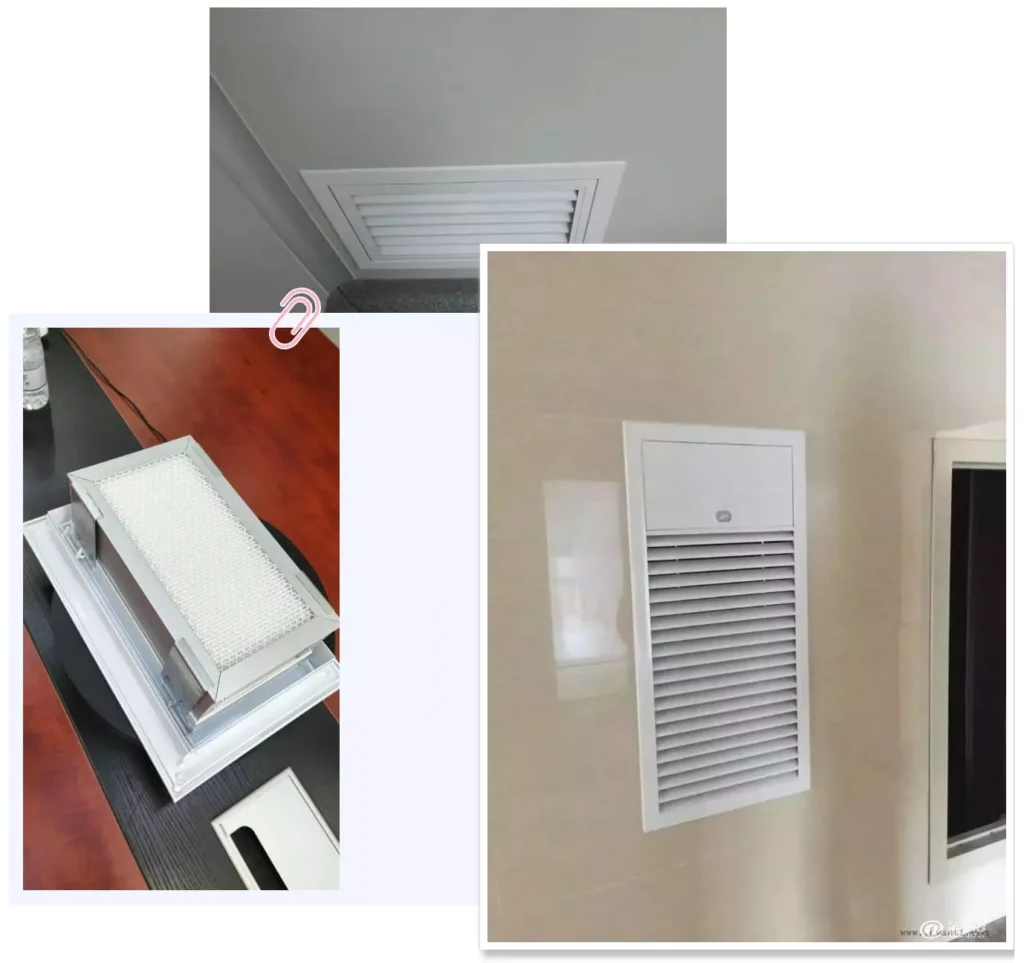
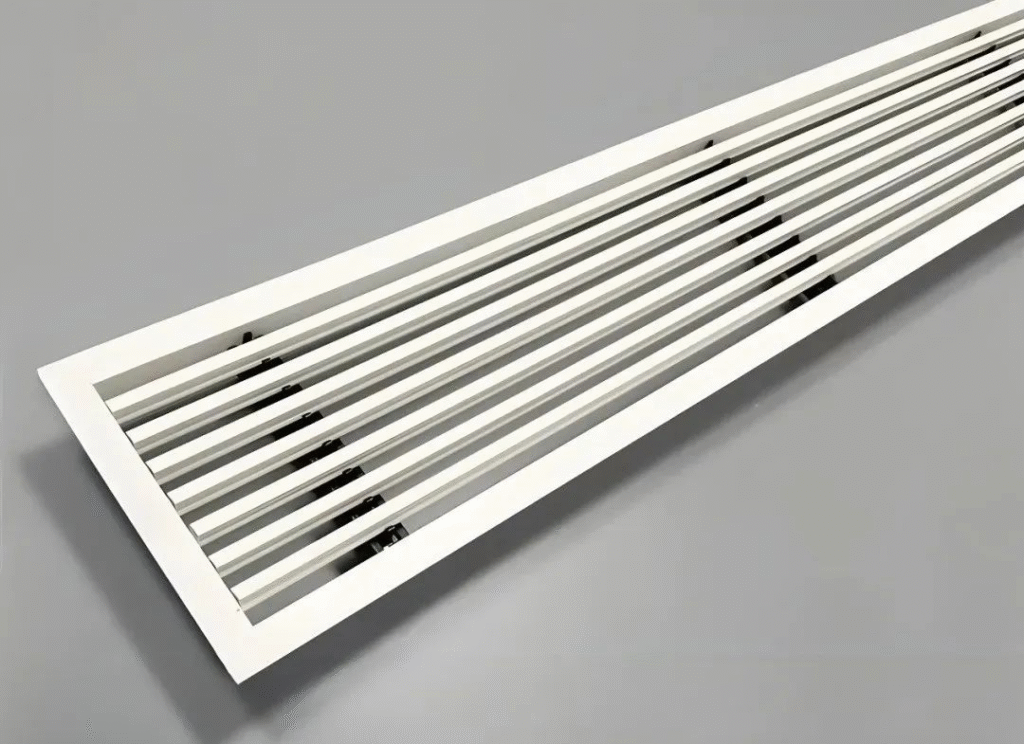
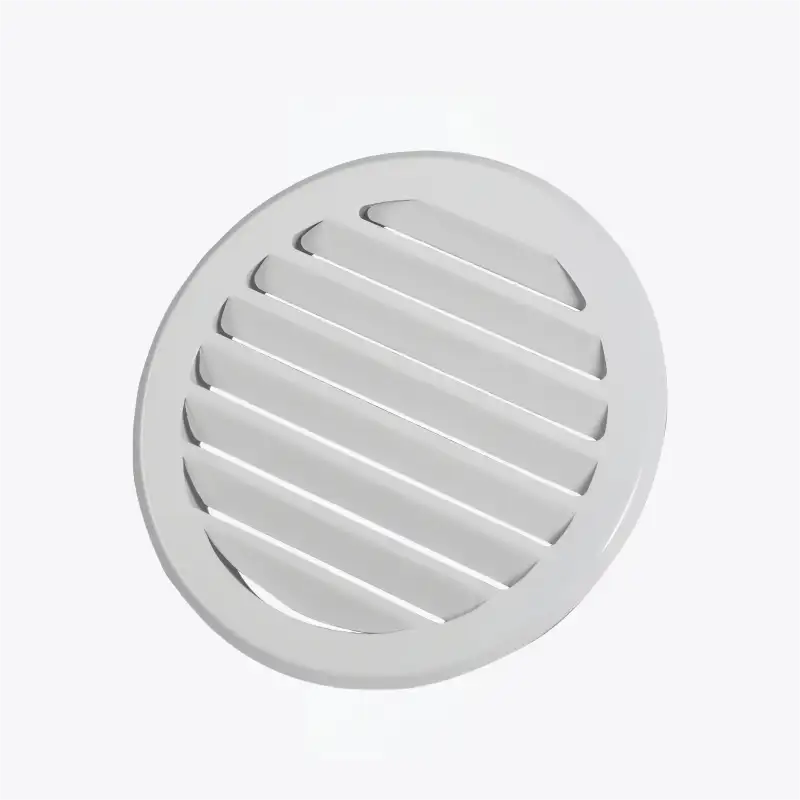
Single-layer aluminum alloy vent: Like a single-pane window
Made from a single sheet of aluminum that’s stamped and bent, the blades are either integrated into the frame or fixed onto it—it’s quite simple.
Just think of it as a single-pane window—it lets air through, but that’s about it.

Double-Layer Aluminum Alloy Air Vent: Like Double-Glazed Glass
It consists of two aluminum plates, one outer and one inner. The outer layer primarily serves aesthetic and structural purposes, while the inner layer is the core component featuring adjustable blades. The space between the two layers is hollow.
It’s like double-pane windows with an air gap in between—functionally, it’s more sophisticated.

Key Differences Explained in One Chart
| What are we comparing? | Single-layer air vent | Double-layer air vent |
| Structure | Single-ply board, simple | Two-layer board with a gap in the middle |
| Airflow adjustment capability | Essentially fixed, with no adjustment for wind direction or only a very limited range. | Flexible and precise, manually adjust the airflow direction up, down, left, and right. |
| Anti-condensation | Prone to dripping, and condensation easily forms in summer due to temperature fluctuations. | Resistant to condensation, the double-layer structure acts like an extra layer of insulation, providing excellent thermal performance. |
| Airflow Effect | Direct airflow can easily cause wind chill. | Even and soft, with high comfort |
| Aesthetic appeal | Plain and simple, functional style | Looks good, flattens out nicely, and hides screws. |
| Price | Cheap | more expensive |
| Where to use | Areas with tight budgets and modest requirements | High-end venues with requirements for comfort and drip resistance |
Key Differences, Explained in Detail
Wind Adjustment Capability: One is rigid, the other is flexible.
The blades on single-layer vents are mostly welded in place. Once installed, the airflow direction is fixed. Want to fine-tune it? No way. The wind blows wherever it pleases.
Double-layer vents (like common double-layer louvers) feature two sets of blades: one set controls vertical airflow, while the other adjusts horizontal direction. To redirect air away from people or disperse it, simply twist the blades—it’s incredibly convenient to adjust on the spot.

Anti-Condensation: One “sweats” easily, the other stays “dry and comfortable”
Single-layer air vents are the most troublesome in summer. When cold air blows through, the aluminum panels instantly turn ice-cold. Upon contact with warm indoor air, they immediately “sweat” and drip water, causing ceiling mold and customer complaints.
The double-layer air vent features an intermediate air layer, preventing the outer panel from becoming excessively cold and thus reducing condensation. This fundamentally solves the “sweating” issue.
How to Choose a Venue? Remember These Three Steps
First question: Do you need flexible airflow adjustment?
For areas like offices and hotel rooms where you want to avoid direct airflow on people? Opt for the double-layer model.
For places like warehouses and hallways where ventilation is the main concern? A single-layer mask is sufficient.
Then I wondered: Could condensation form and cause dripping?
Is the local climate humid? Do you crank the AC? If so, go for double-glazed windows—no hassle.
Dry climate or tight budget? A single-story home can work just fine.
Last check: What’s the project? Is there enough funding?
High-end office buildings, hotels, hospitals? Close your eyes and go double-decker—great results, fewer complaints.
Temporary construction sites or budget-conscious residential homes? Opt for single-story designs to keep costs under control.
Summary: Choose What You Need, Avoid Wasting Money
Single-layer aluminum alloy air vent = The budget-friendly option. Affordable and durable, perfect for low-demand applications where you won’t feel guilty about using it.
Double-layer aluminum alloy air vent = The all-around powerhouse. Adjustable airflow, drip-free, and stylish—perfect for projects demanding quality and comfort.
Once you understand the difference between these two, you’ll have a solid grasp when selecting the right type next time. Combined with the spherical and swirl diffusers we discussed earlier, you’ll basically have a handle on all the common diffusers used in engineering projects.