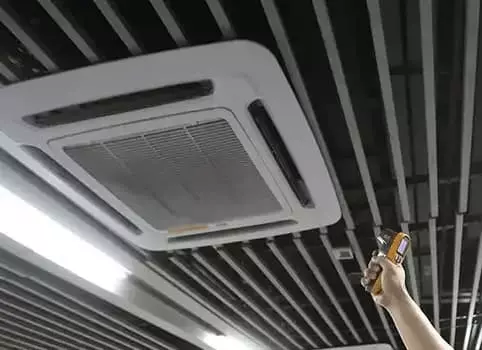
Can Closing Vents Really Change Airflow Direction? Understand These Principles to Avoid Wasting Money
When renovating a home or working on construction projects, we often encounter this situation: a particular room gets extremely hot in summer and freezing cold in winter. Many people’s first instinct is to shut off the vents in other rooms, thinking this will redirect more airflow to the problematic area. While this approach sounds logical, how effective is it in reality? Today, drawing on over a decade of construction experience, I’ll delve into this topic in detail.
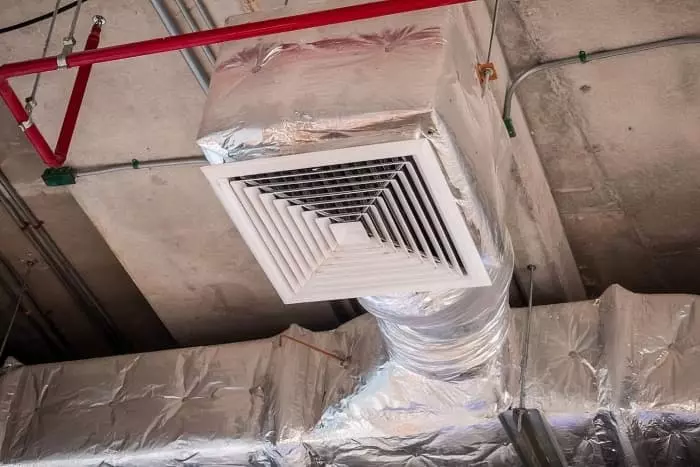
How do vents work?
First figure out how the wind gets into your house
To determine whether closing the vents is effective, you first need to understand how your home’s ventilation system operates.
Your home’s ventilation system is a “team”
Imagine your home’s air conditioning system as a human respiratory system:
The air conditioning unit functions as the “lungs,” responsible for generating cold and warm air.
Ventilation ducts are equivalent to “airways.”
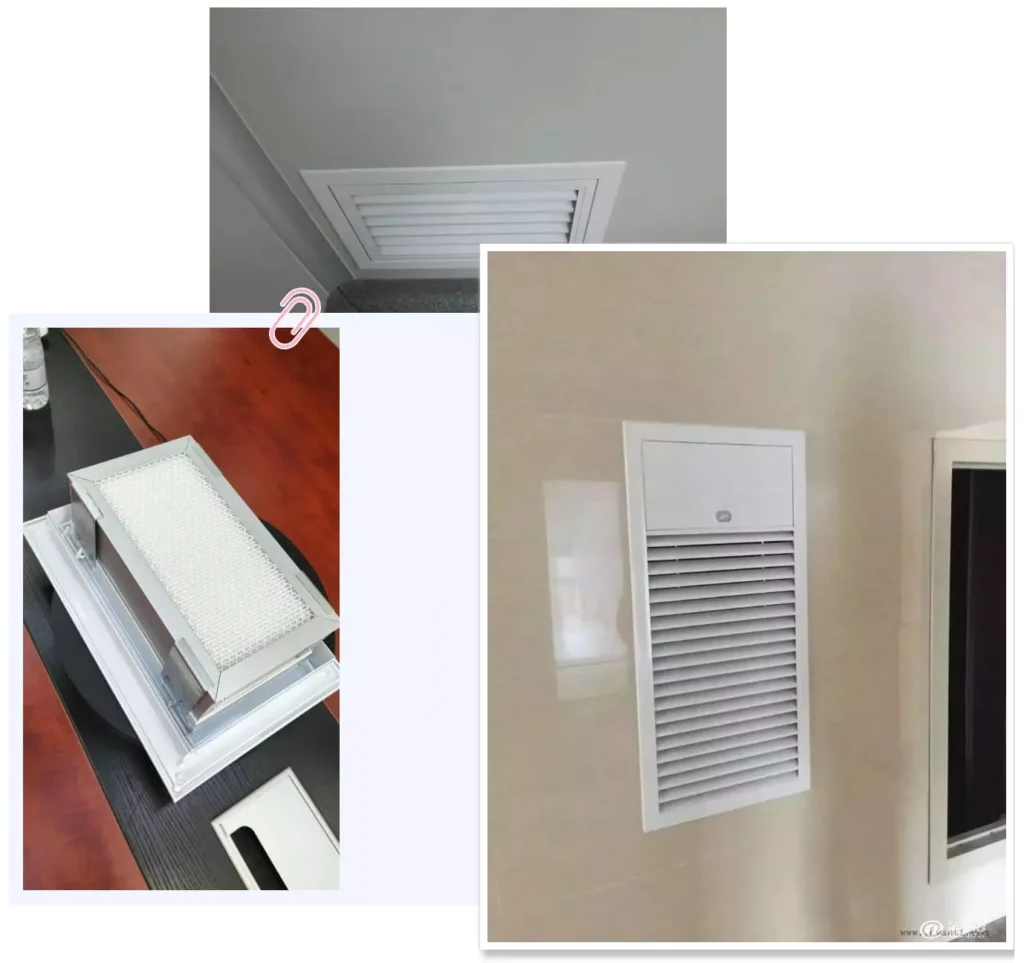
The ventilation openings in each room are like “the nose and mouth.”
Three Key Pressures in Ventilation Systems
Engineers know that three types of pressure are constantly competing within ventilation systems:
Static pressure – The force exerted by air pushing forward in a duct
Dynamic pressure – the force exerted by the actual flow of air
otal pressure – The sum of the first two
What exactly happens when you open the ventilation outlet?
The Truth About Ventilation Vents Might Not Be What You Think
Airflow does change, but that’s not necessarily a good thing.
To be honest, closing vents does alter airflow direction, but this change is often like robbing Peter to pay Paul. Let me give you an analogy: it’s like blocking several outlets on a water pipe. Water will indeed spray out of the remaining openings, but the pressure within the pipe itself increases, potentially causing it to burst.
Fans can “feel tired” during operation.
Did you know? When you close too many vents, the fan struggles to breathe, like someone covering its mouth. It has to work harder to push air out. Over time, this can cause the motor to overheat, shortening its lifespan by at least 30%.
| Percentage of Ventilation Openings Closed | Impact on the system | Potential consequences |
| Less than 20% | Not much of an impact | Minor changes in airflow are generally safe. |
| 20%-40% | Significant increase in static pressure | Increased fan load may lead to higher electricity costs. |
| Over 40% | The system is severely out of balance. | Equipment is prone to damage, and maintenance costs are high. |
Why I Don’t Recommend Closing Vents Arbitrarily
Words of Wisdom from an Old Pro: Pitfalls to Avoid
Equipment Damage Is a Serious Matter
Last year, I had a client who shut off all the vents on the second floor to save electricity. Within just three months, the air conditioner motor burned out. The repair cost over 2,000 yuan, and the electricity savings were nowhere near enough to cover the repair bill.
Hidden Problems Are More Dangerous
Closing the vents can also lead to some hidden problems:
Pressure imbalance: Negative pressure builds up in the room, drawing dust and moisture from the attic or wall crevices inside.
Energy consumption actually increases: System efficiency decreases, requiring longer operation to achieve the same temperature.

What if you encounter uneven temperatures?
The correct solution is here.
Professional Method: Duct Balancing
In engineering, we have a technical term called “airflow balancing,” which is the true solution to the problem. The specific approach is as follows:
Measure the airflow at each vent using professional equipment.
Adjust the control valve inside the pipeline
Ensure optimal airflow distribution across all rooms.
Adjustments You Can Make Yourself
If you’d like to make simple adjustments yourself, you can try:
Fine-tune, but don’t close them all: Keep at least one vent open in each room.
Seasonal Adjustment: In summer, you can slightly reduce the ventilation openings in south-facing rooms; in winter, do the opposite.
Observation and Response: After adjustments, monitor the equipment for unusual noises and check for abnormal electricity consumption.
| Problem Symptoms | Incorrect practice | Correct approach |
| A certain room is too hot. | Close the vents in other rooms. | Please have the technician adjust the ductwork balance. |
| Want to save power | Close vents in unused rooms | Enhance thermal insulation by sealing doors and windows |
| There’s a big temperature difference between upstairs and downstairs. | Close the first-floor vents | Consider installing a partitioning system |
Frequently Asked Questions
Master Craftsman Live Q&A Session
Q: Is it really impossible to save any energy by closing the vents?
A: That’s basically correct. While it may seem like the airflow range has decreased, the system efficiency has dropped, potentially leading to longer operating times. All things considered, it doesn’t really save much electricity.
Q: Can the return air vent be closed?
Answer: Absolutely not! Closing the return air ducts poses a greater risk than closing the supply air ducts, as it can easily cause system pressure imbalances and damage equipment.
Q: When I just closed it, it really felt like it worked, right?
A: Initially, you can indeed feel the difference, but this comes at the expense of system balance. It’s like partially blocking the outlet of a water pipe—while water pressure increases in the short term, it’s detrimental to the pump in the long run.
Summary: Exercise caution when closing ventilation openings.
Keep these points in mind to avoid wasting money
After all these years in construction, I’ve distilled a few key points:
Closing vents can indeed alter airflow, but the cost is too high—it might save a little money but end up costing a lot more.
To find the root cause – uneven temperatures are most likely due to insulation issues or system design problems.
Leave it to the pros – When you encounter problems, it’s best to have a technician from a reputable company come to your home for an inspection.
Finally, let me be perfectly honest: Your ventilation system is a complex setup. Making changes to it is like performing surgery on the human body—you must proceed with extreme caution. If you really want to adjust it, I suggest first finding a trusted technician to come take a look and perform a thorough diagnosis. That’s far safer than trying to figure it out yourself.