Central Air Conditioning Vents May Be Small, But They Shouldn't Be Overlooked!
Central air vent—another crucial yet easily overlooked detail in home renovation! When choosing a central air system, people compare features and brands, researching extensively, yet often neglect one question: Have you asked the seller what your vents will look like? “If you ask, they might say, ‘They all look the same, right?’ Which ones? Press further: Can you do frameless ones? Extended ones? Minimalist ones?
The answers usually fall into three categories:
① No.
② Yes, but it’ll cost a lot extra.
③ Sis, don’t go for that style—it’s not good.
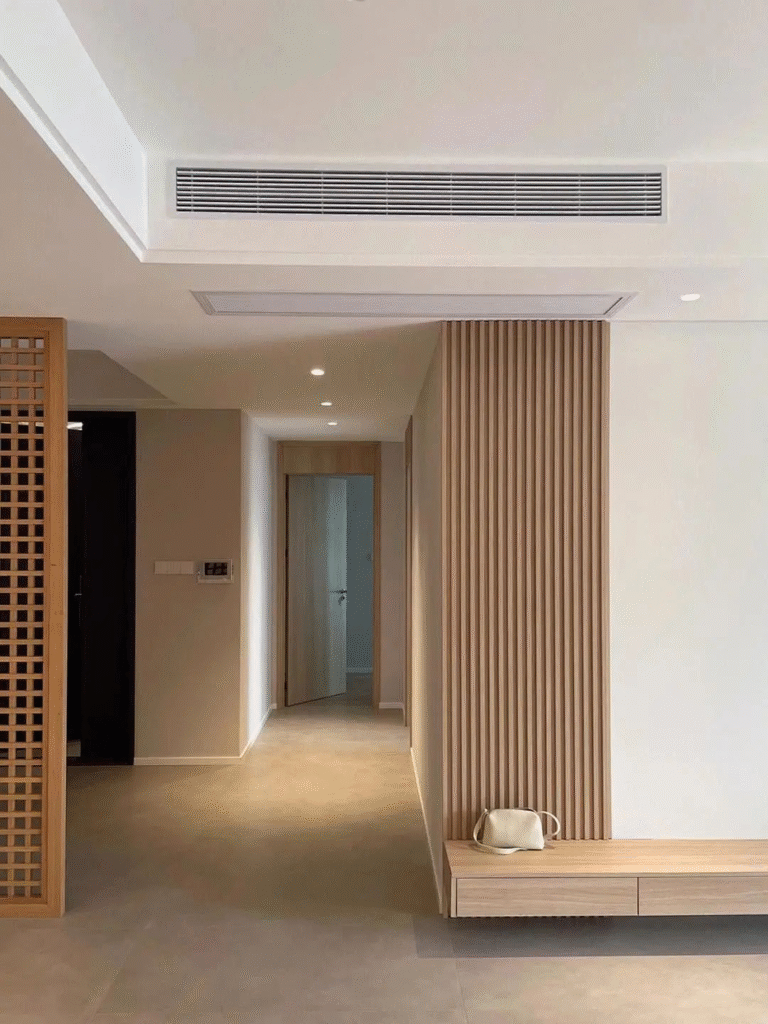
Poor airflow, ineffective cooling, blah blah blah…”
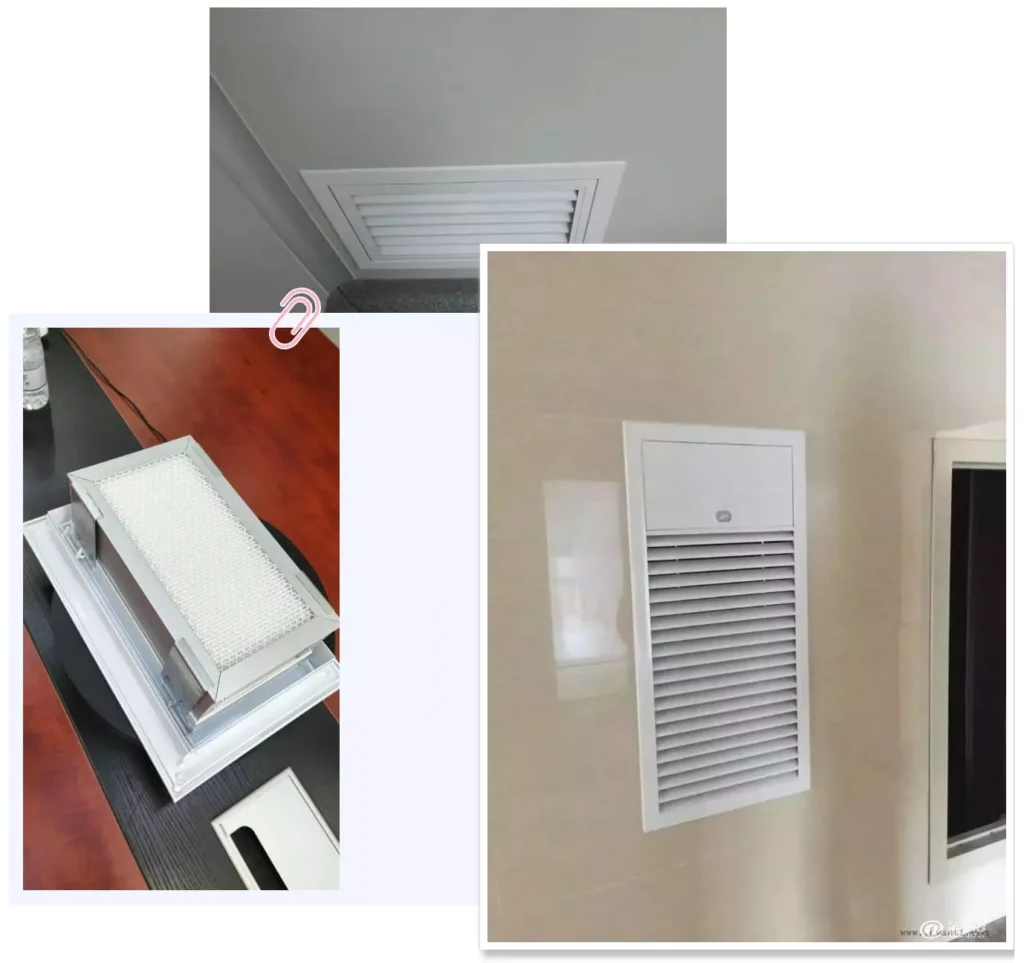
Central air conditioning systems typically feature concealed installation, with ductwork and indoor units hidden within the ceiling. Once installed, only the air outlet and return vent of the indoor unit remain visible indoors. From this perspective, selecting the right air vents is a crucial detail that reflects the quality of your interior design. So, how should you choose these vents?
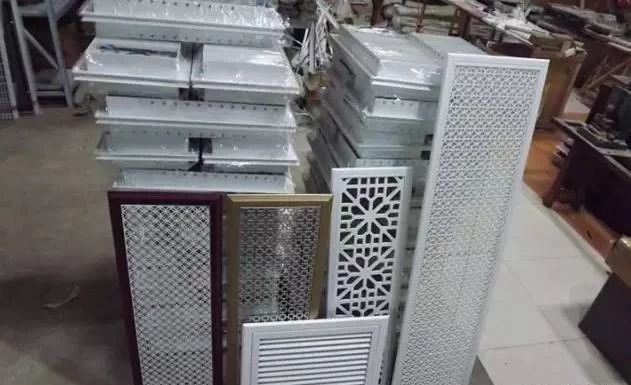
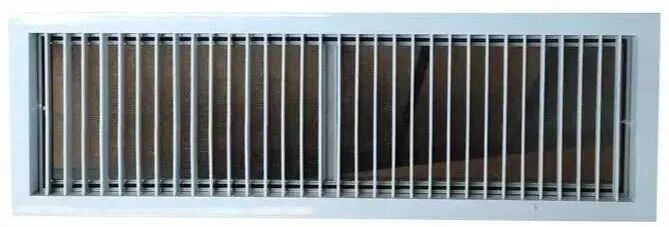
▶▶▶By Material: Air vent materials primarily include wood, aluminum alloy, and ABS plastic.
Aluminum alloy vents are commonly chosen for their high cost-effectiveness. Households prioritizing interior design aesthetics may opt for wooden or ABS vents.
Aluminum alloy: Offers excellent value for money at a moderate price point, making it the top choice for commercial installations.
Note that during summer cooling, excessively low supply air temperatures can cause condensation on aluminum alloy vents.
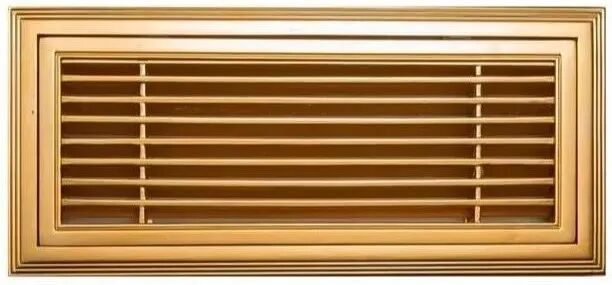
Wooden materials: Visually appealing and elegant, offering a substantial feel that complements overall wooden interior designs. They elevate the sophistication of the decor. However, their drawback lies in winter heating: due to significant temperature differences between when the vents are in use and when the air conditioner is off, they are prone to warping and cracking.
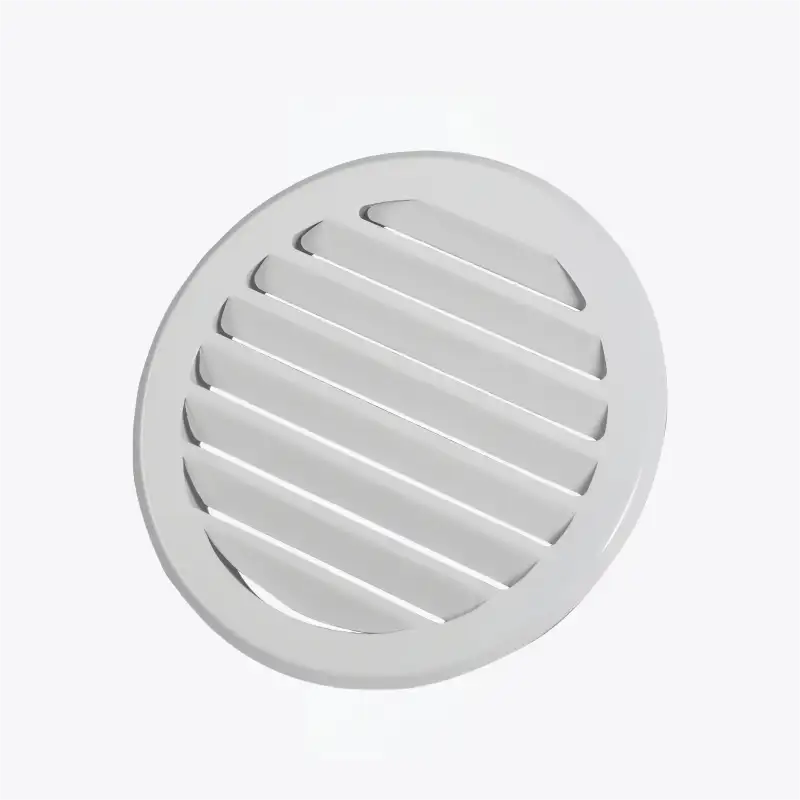
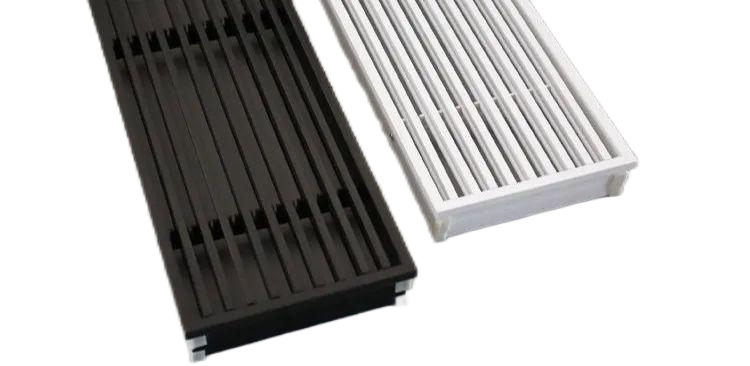
ABS Material: Primarily made from polyvinyl chloride (PVC), it offers advantages such as moisture resistance, flame retardancy (self-extinguishing), dimensional stability, non-toxicity, aesthetic appeal, aging resistance, and corrosion resistance. It generally exhibits minimal deformation or condensation issues, though it comes at a slightly higher price point.
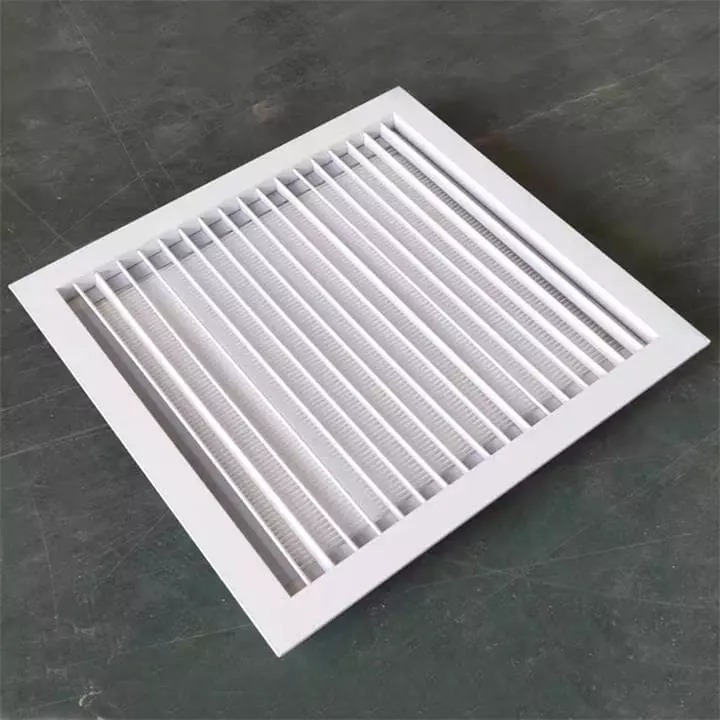
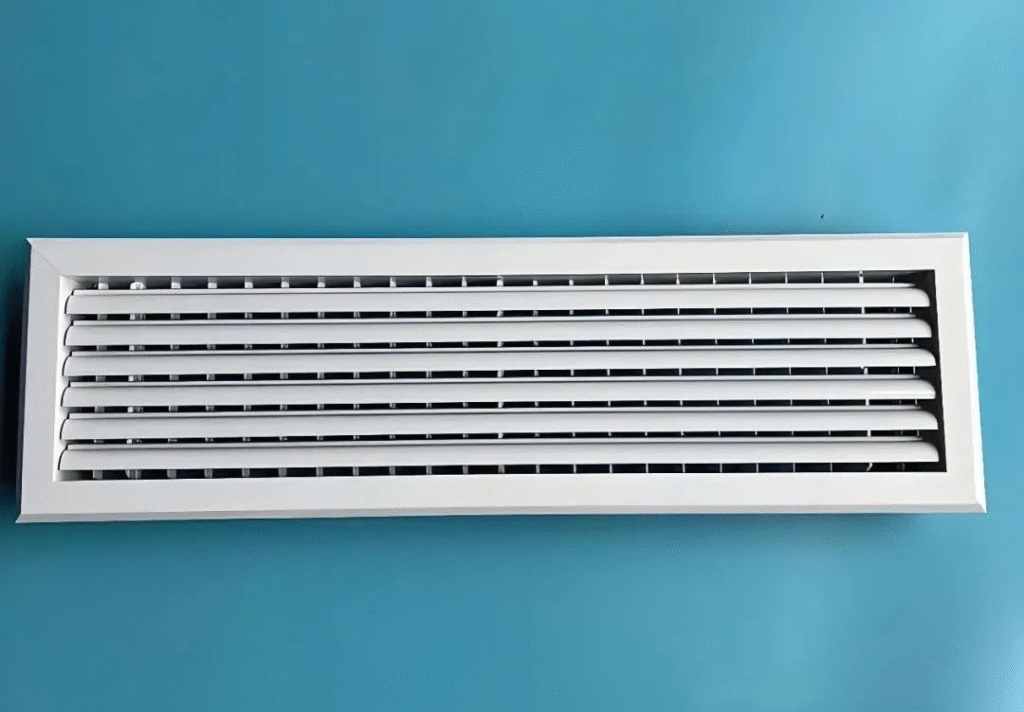
▶▶▶Classified by Style: Double-layer louvered plastic air vent Advantages: Allows manual adjustment of louvers to change airflow direction, delivers excellent warm air performance, and offers strong anti-condensation capability. Disadvantages: Lacks aesthetic appeal.
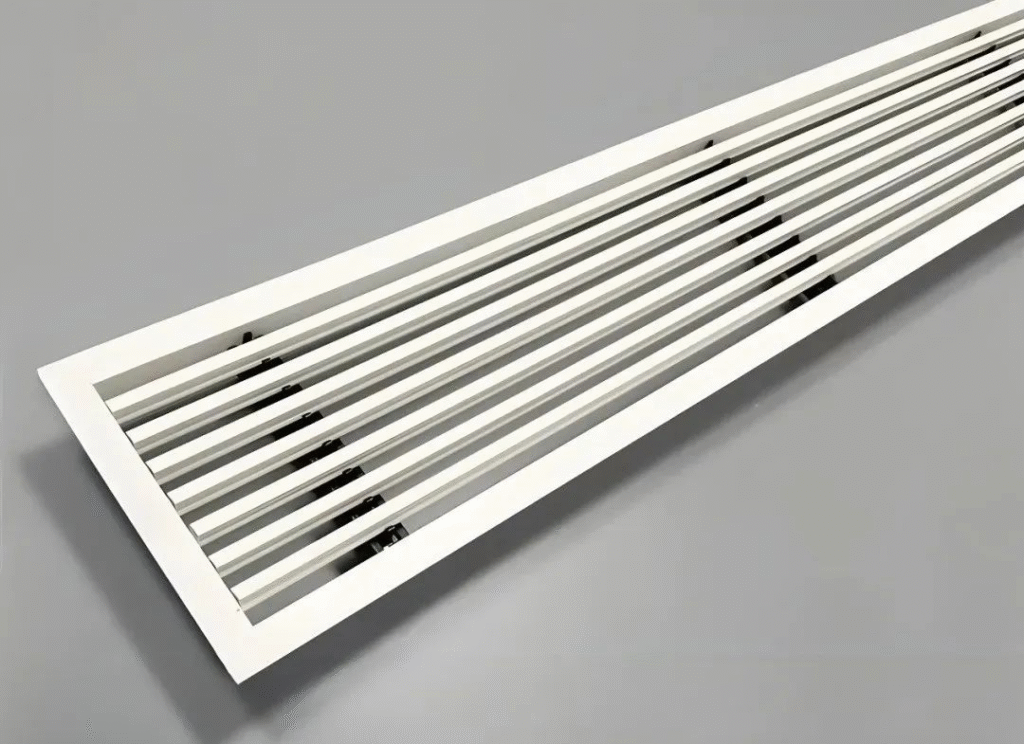
Linear air vents Advantages: Aesthetically pleasing, aligning with current mainstream interior design trends. Disadvantages: Cannot adjust airflow direction; poor performance when blowing warm air.
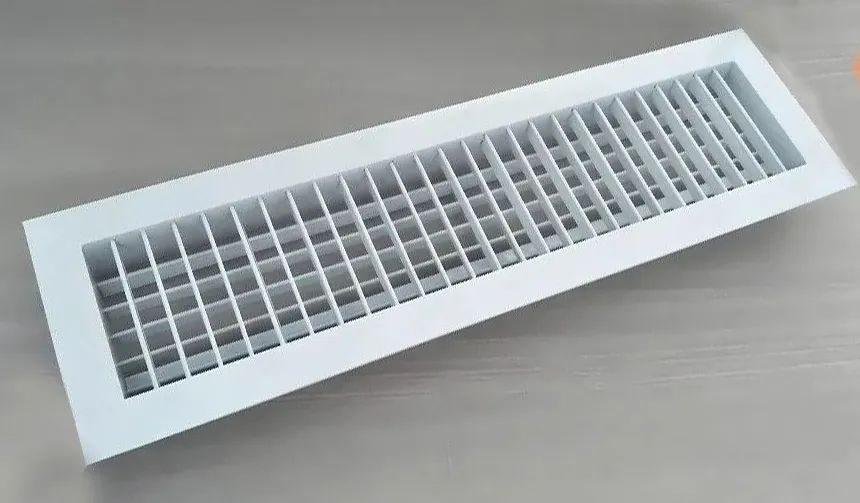
Advantages of aluminum alloy double-layer louvered air vents: Excellent warm air distribution. Aluminum alloy surface with baked enamel finish resists discoloration. Disadvantages: Metal conducts heat rapidly, making condensation particularly prone to form around the vent during summer cooling. This causes moisture buildup and mold growth on the gypsum board beneath the vent.
Advantages of frameless recessed air vents: Conceals the vent frame, enhancing aesthetics. Disadvantages: The vent cannot be removed, making cleaning and equipment maintenance extremely inconvenient.
Advantages of the narrow-frame cover design: Less demanding on carpentry skills, Adjustable louvers for airflow control, Effective air distribution for cooling and heating, Easy disassembly for future maintenance, Relatively low cost. Disadvantages: The frame protrudes from the wall after installation.
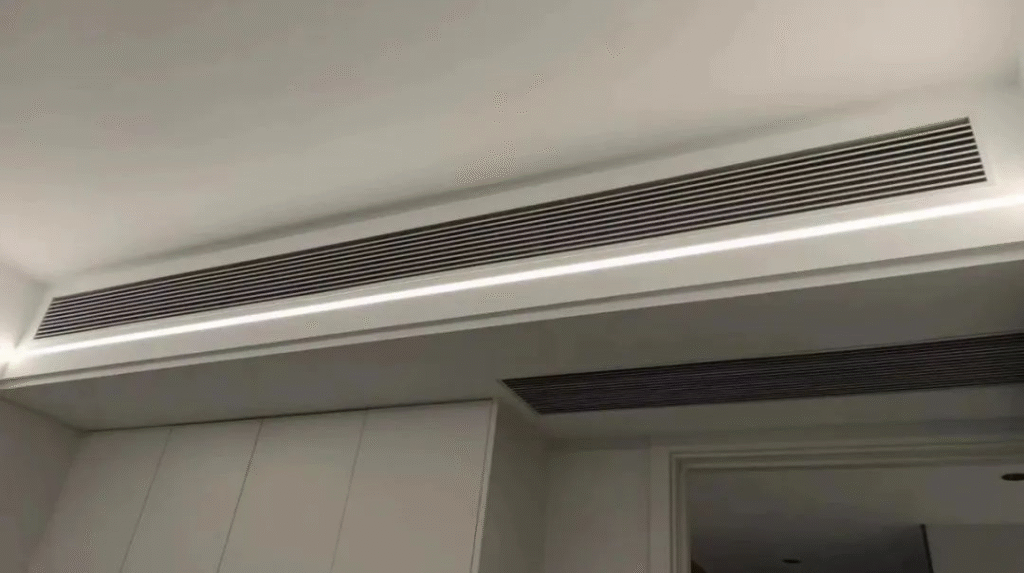
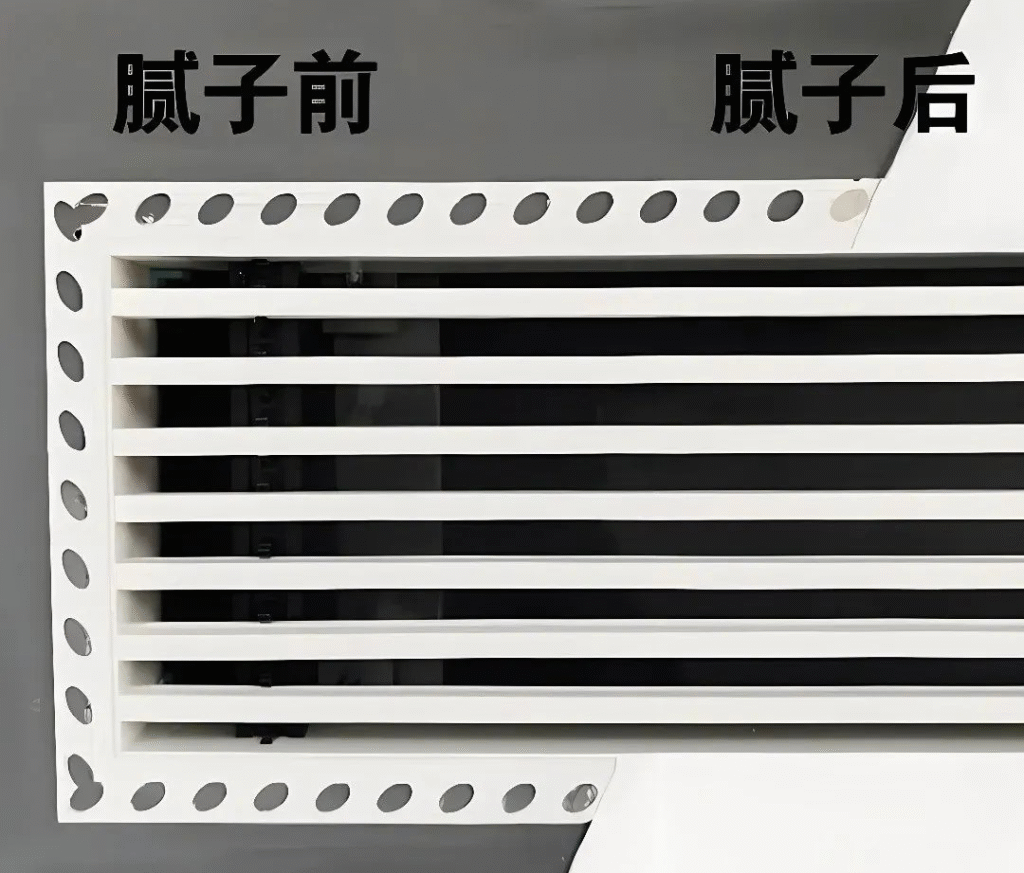
Pre-embedded – Gypsum Board Edge Frame / Putty Application Advantages: High-end appearance after installation, invisible frameless design, hassle-free renovation! Disadvantages: Complex cleaning later on.
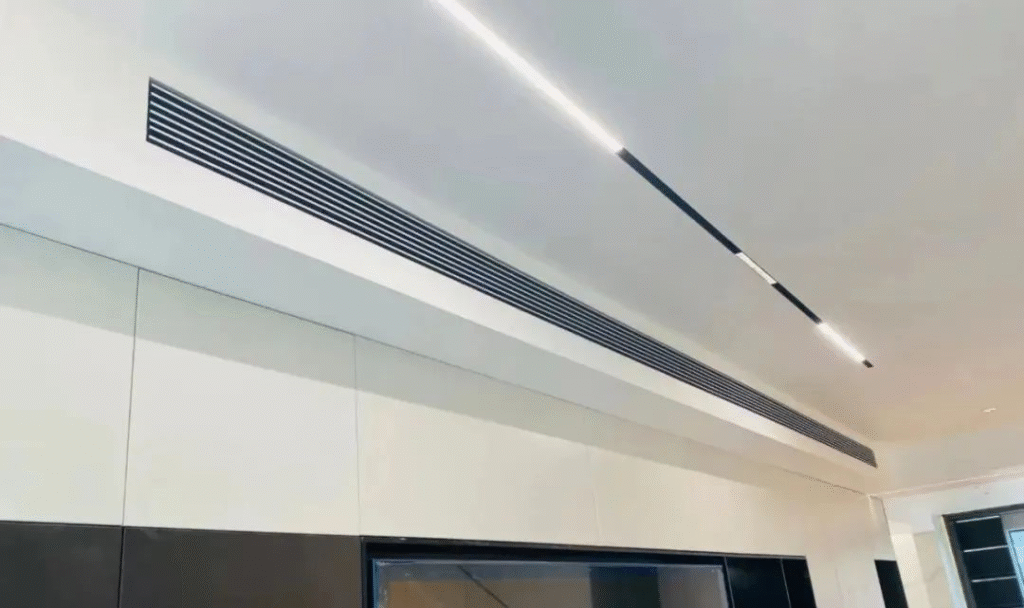
▶▶▶Airflow Patterns for Air Vents: Central air conditioning vents primarily employ three airflow patterns: side supply with down return, down supply with down return, and side supply with side return.
Side-mounted supply and return air vents. Supply air exits from the side and returns from below. Duct length may be extended based on distance. Return air vents are positioned beneath the unit to facilitate natural air circulation within the room. Advantages: Cool air naturally sinks, enhancing cooling efficiency. Disadvantages: Warm air tends to rise and does not sink easily, resulting in average heating performance.
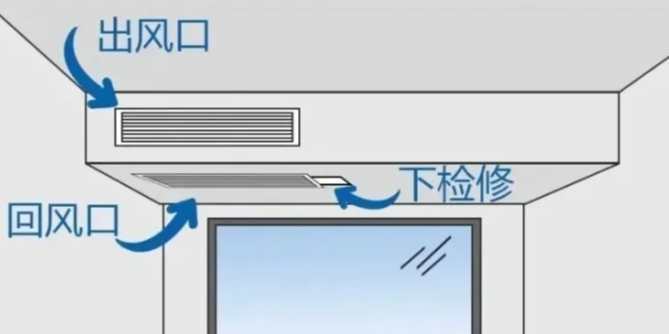
Downward supply, downward return, downward airflow. Downward return air. Supply air outlet connects to ductwork, utilizing air ducts to alter supply distance, creating positive and negative pressure zones to achieve circulation. Advantages: Cool or warm air rapidly reaches the coverage area. Disadvantages: If air outlets are improperly positioned, direct airflow from the air conditioner may cause discomfort.
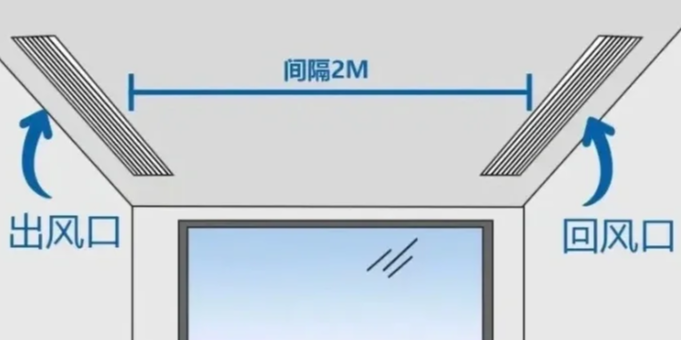
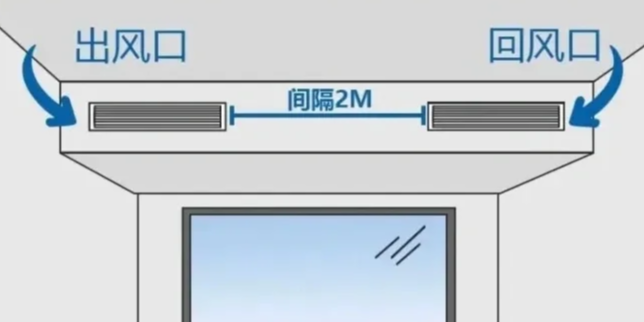
Side Supply and Side Return: Air is supplied from the side and returned from the side. The return air duct connects to the supply duct, altering the direction and distance of the air conditioning return air to create positive and negative pressure zones, forming a circulation loop. Advantages: Aesthetically pleasing ceiling design and space-saving. Disadvantages: Slightly slower cooling and heating performance. The distance between the supply and return air vents must be at least 1.5 meters to maintain effectiveness. A service access panel is still required.
▶▶▶Vent Installation Considerations:
✔ Central air conditioning installation should proceed concurrently with interior decoration. Vent dimensions are not fixed; widths are typically customizable, while lengths should adjust based on actual room conditions—prioritizing both aesthetics and functionality.
✔ Install vents before applying wall paint. This prevents wall damage and allows gaps between louvers and walls to be filled during painting, achieving a seamless appearance.
✔ Avoid installing light coves near vents, as they can obstruct warm airflow to occupied areas and reduce heating efficiency.
✔ If extending vents, paint the “false vent” section black to match the actual vent’s color after installation.
✔ Vent InstallationDo not direct the airflow toward people.